
Alder Isn’t Going Anywhere—Here’s Why Smart Shops Still Choose It.
Over the past 20 years at Wood Vendors, we’ve seen trends come and go. Species rise, fall, and come back again. And while it’s true that alder isn’t moving in the same volume it once did, here’s what hasn’t changed:
Alder still solves problems better than almost any wood on the market. Especially when it comes to mouldings, trim, and production millwork.
For over two decades, Woodvendors has been deeply rooted in the lumber industry. When we first opened our doors 20 years ago, one species stood out among the rest: alder, especially knotty alder dimensional & knotty alder mouldings. It wasn’t just popular—it was a staple. We moved tons and tons of alder, supplying woodworkers, cabinet makers, and builders who valued its versatility, affordability, and clean finish.
Let’s be real about what’s happening out there.
- Designers are pushing white oak for modern interiors
- Higher-end jobs are leaning into walnut and cherry
- Engineered materials are taking share in cost-sensitive builds
And buyers today? They’re more selective than ever.
So yes—bulk alder orders aren’t what they used to be.
But that doesn’t mean alder is losing. It means the market is getting smarter about where each species fits best.
🌲 A Look Back: Why Alder Was So Popular
Alder earned its place in workshops and job sites for good reason:
- Workability: Easy to cut, sand, and finish
- Consistent grain: Ideal for cabinetry and furniture
- Affordability: A cost-effective alternative to higher-end hardwoods
- Stain-friendly: Could mimic premium species
For years, alder hit the sweet spot between quality and price. It became a go-to choice, especially in the western U.S.
📉 What We’re Seeing Now
In the past few years, we’ve observed:
- Decreased bulk orders of alder
- More customers asking about alternative species
- A shift in design preferences toward different aesthetics
This isn’t a sudden drop—it’s gradual, but noticeable enough to raise questions.
🌳 What Are Customers Buying Instead?
One of the biggest changes we’ve seen isn’t just less alder—it’s where that demand is going.
Here are the species (and materials) customers are increasingly choosing:
White Oak
This is probably the biggest shift. White oak has become a go-to for its clean, modern look and versatility. Industry reports continue to highlight strong demand for white oak across flooring and interiors. Especially Rift-Sawn White Oak.
Walnut
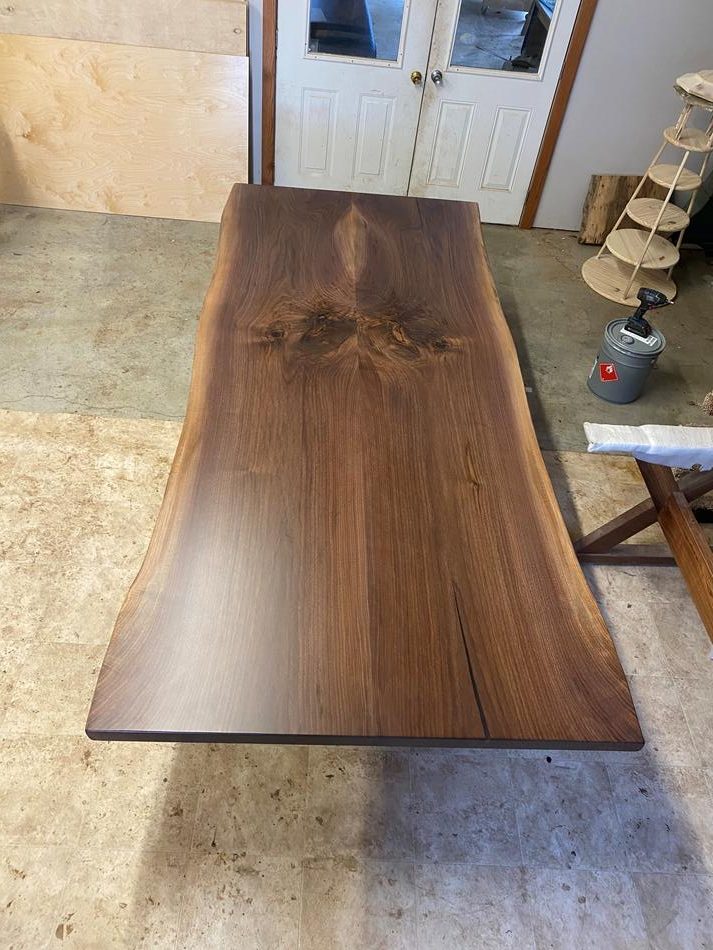
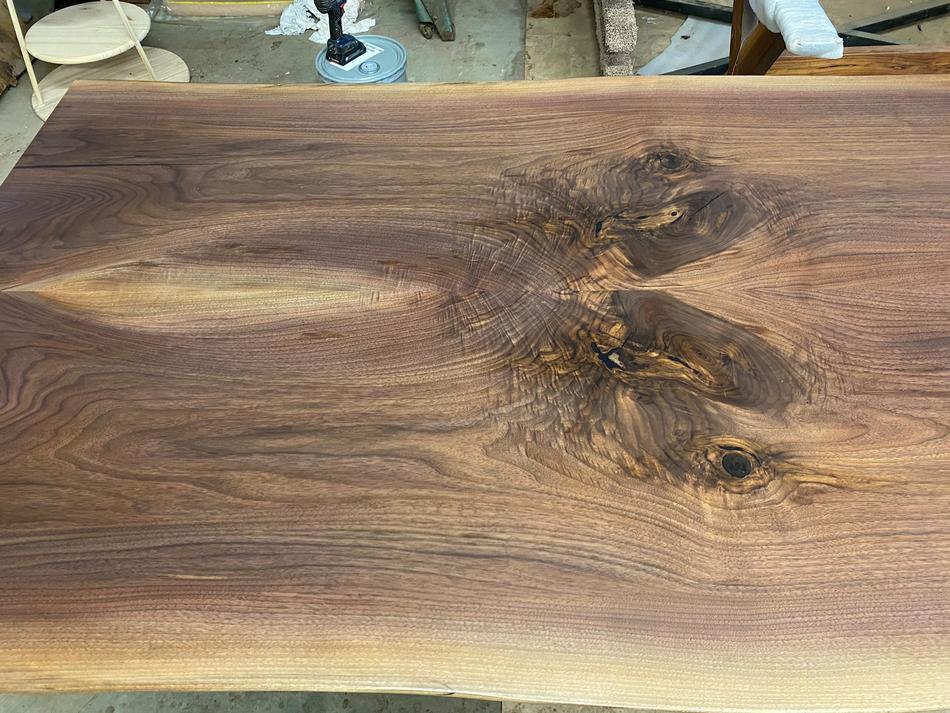
Walnut is gaining traction for its rich, dark tones and premium feel. This aligns with a broader trend: darker woods are making a comeback after years of lighter palettes dominating interiors.
Hard Maple
Still a strong, dependable option thanks to its durability and clean appearance. Maple remains a staple across cabinetry and millwork.
Poplar
A consistent volume mover, especially for paint-grade applications and cost-sensitive projects.
Cherry
One trend that’s become more noticeable lately is the return of cherry.
For a while, cherry took a backseat as lighter woods dominated the market. But now, we’re seeing more customers come back to it—and in some cases, choosing it over alder.
- Cherry offers a richer, more refined look
- It’s strongly tied to high-end furniture and cabinetry
- It ages beautifully, deepening in color over time
- And it fits with the shift toward warmer, more classic interiors
From a broader market perspective, cherry has remained a premium, in-demand species, especially in furniture and interior design. We’re also seeing design trends shift toward warmer tones overall, which is helping drive renewed interest in woods like cherry and walnut.
Reclaimed & Specialty Woods
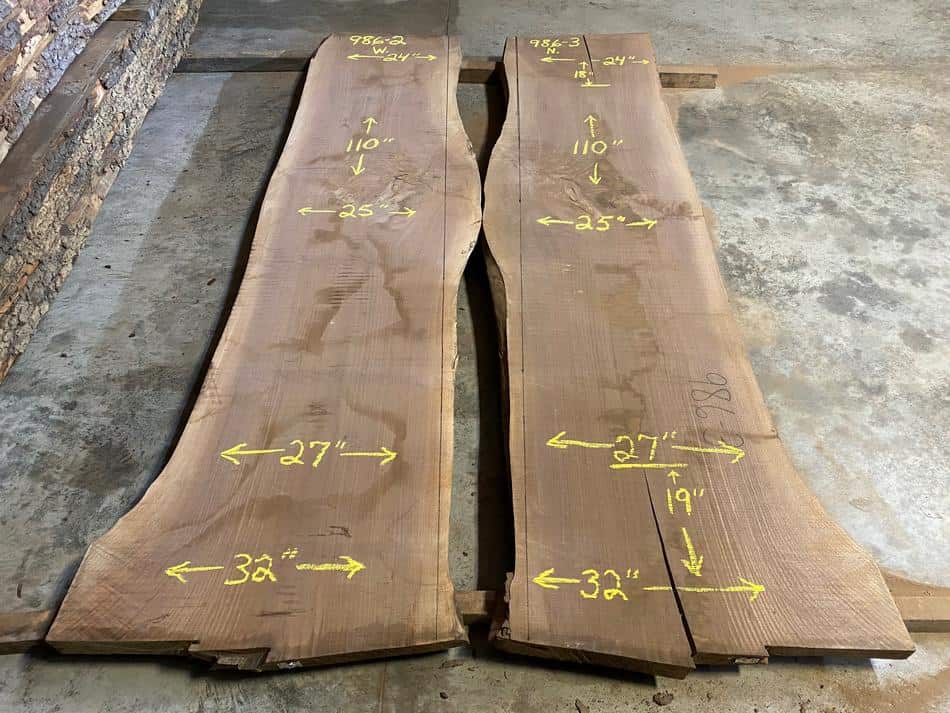
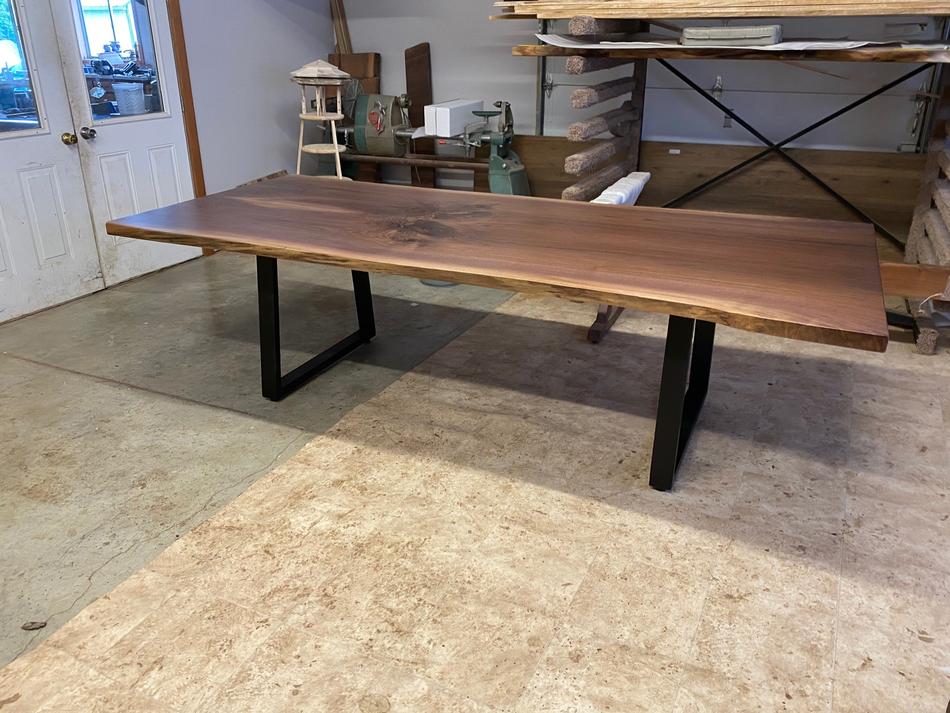
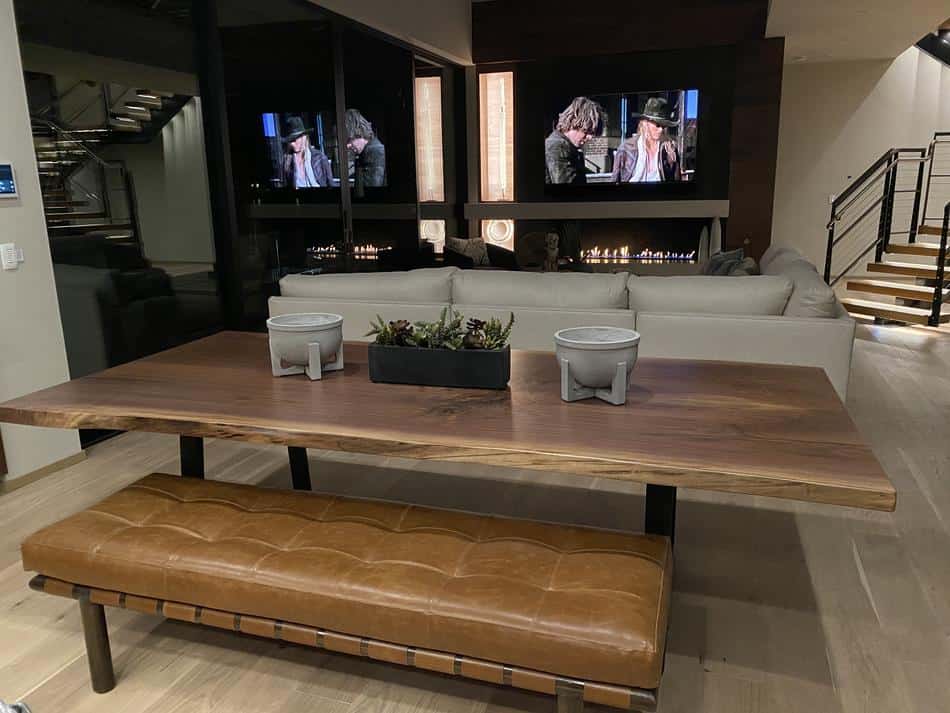
More customers are asking for character—live edge slabs, reclaimed lumber, and unique grain patterns. There’s a growing appreciation for wood that tells a story.
Engineered Materials
It’s not just solid wood. Plywood, MDF, and engineered panels continue to take market share due to cost, consistency, and efficiency. These products have improved significantly and are now a serious competitor in many applications.
🔍 Why the Shift Is Happening
Several broader trends are driving these changes:
- Design evolution → movement toward both lighter minimalism and warmer, richer tones
- Higher expectations → customers are more selective about grain, width, and appearance
- Material innovation → engineered products competing with solid wood
- More informed buyers → people are exploring a wider range of species than ever before
Overall, the hardwood market itself is shifting, with demand redistributing across species rather than disappearing altogether.
🌱 What This Means for Alder
Alder isn’t disappearing—but it’s no longer the default choice it once was.
In many ways, it’s becoming more project-specific:
- Great for paint-grade work
- Still ideal for certain cabinetry styles
- A solid option when cost matters
But it now sits in the middle of a market that’s splitting:
- Lighter, modern woods (white oak, maple)
- Richer, premium woods (walnut, cherry)
And that middle ground is where it’s losing momentum.
🔄 Our Approach Moving Forward
At Woodvendors, we’re adapting alongside the industry:
- Continued expansion into high-demand species like white oak, walnut, and cherry
- Increasing availability of specialty and character-grade materials
- Staying aligned with what builders, designers, and woodworkers are actually using
And of course—we’re still stocking alder. Because when it’s the right fit, it’s still a great wood.
💬 Let’s Talk
Have you noticed this shift too? Are you using less alder—or replacing it with something else?
We’d love to hear what’s working in your shop.
Woodvendors.com
20 years in the lumber industry—and still evolving with it.